In today’s fast-changing world, communities face a wide range of challenges, from economic uncertainty and health concerns to educational gaps and social inequalities. While governments and institutions play an important role in addressing these issues, community welfare remains one of the most powerful forces for creating positive and lasting change at the local level.
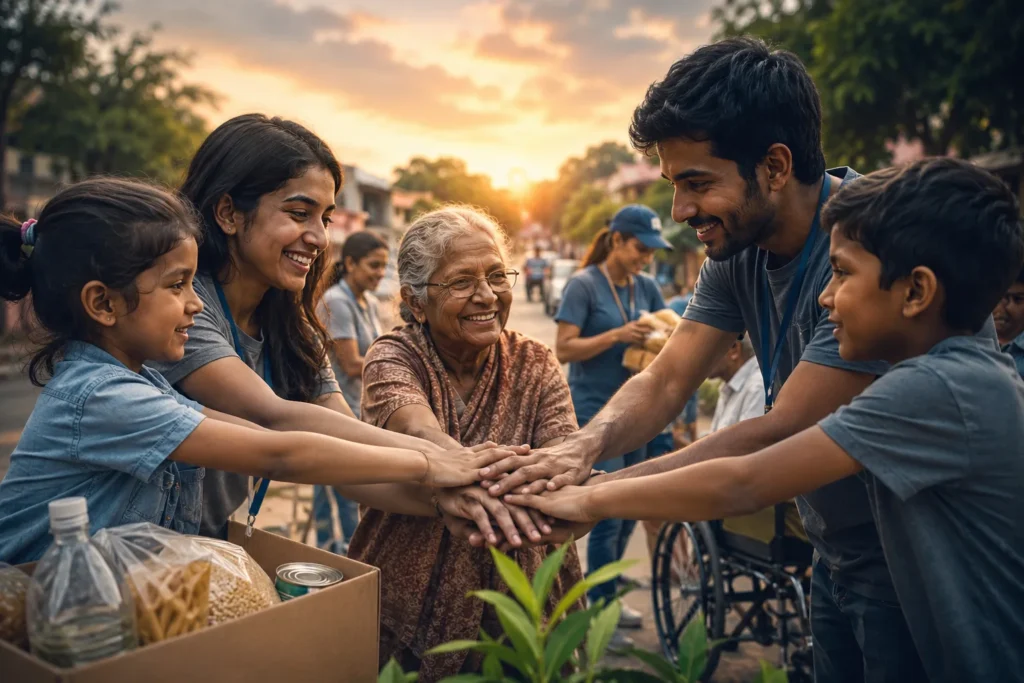
Community welfare is more than just providing assistance to those in need. It is about building stronger, healthier, and more inclusive communities where every individual has the opportunity to live with dignity, security, and hope. As societies continue to evolve, the importance of community welfare has become greater than ever before.
Understanding Community Welfare
Community welfare refers to the collective efforts made to improve the well-being of individuals and families within a community. These efforts may include support for education, healthcare, employment opportunities, environmental protection, food security, elderly care, child welfare, and various social development programs.
The goal is not only to address immediate needs but also to create conditions that allow people to become self-reliant and contribute positively to society. Effective community welfare focuses on empowerment rather than dependency, helping individuals build a better future for themselves and their families.
Addressing Growing Social Challenges
Modern communities face numerous challenges that affect people’s quality of life. Rising living costs, unemployment, limited access to quality education, healthcare disparities, and social isolation are issues that impact millions of people worldwide.
Community welfare initiatives help bridge these gaps by providing support systems that might otherwise be unavailable. Whether it is offering educational resources to children, healthcare assistance to vulnerable families, or support programs for senior citizens, welfare efforts help ensure that no one is left behind.
By addressing these challenges at the community level, organizations and volunteers can often respond more quickly and effectively to local needs than larger institutions alone.
Also Read – Exercise Benefits for Elderly: Stay Active, Healthy, and Independent
Strengthening Social Connections
One of the most valuable aspects of community welfare is its ability to bring people together. Strong communities are built on trust, cooperation, and mutual support. When people actively participate in helping one another, they create meaningful relationships that strengthen the social fabric of society.
Community programs encourage residents to work together toward common goals. These connections reduce feelings of loneliness and isolation while fostering a sense of belonging and shared responsibility. In times of crisis, communities with strong social bonds are often more resilient and better equipped to overcome difficulties.
Supporting Education and Future Opportunities
Education remains one of the most effective tools for breaking cycles of poverty and creating long-term social progress. Community welfare initiatives often focus on supporting students through scholarships, learning resources, mentorship programs, and educational awareness campaigns.
By investing in education, communities invest in their future. Children and young adults who receive educational support are more likely to develop valuable skills, secure stable employment, and contribute positively to society.
The impact of educational welfare extends beyond individuals. Educated communities tend to experience improved economic growth, reduced crime rates, and higher levels of civic participation.
Promoting Health and Well-Being
Good health is essential for personal and community development. Unfortunately, many individuals still face barriers to accessing quality healthcare services. Community welfare programs help address these challenges through health awareness campaigns, medical camps, preventive care initiatives, and support services for vulnerable populations.
Promoting health and well-being benefits everyone. Healthier communities experience greater productivity, improved quality of life, and reduced healthcare burdens. When people have access to the resources they need to stay healthy, they are better positioned to achieve their personal and professional goals.
Encouraging Compassion and Volunteerism
Community welfare inspires individuals to look beyond their own circumstances and contribute to the well-being of others. Acts of kindness, whether large or small, have a ripple effect that can positively influence entire communities.
Volunteers play a crucial role in many welfare initiatives. Their time, skills, and dedication help extend the reach of programs and services. In return, volunteering often provides a sense of purpose and fulfillment, creating benefits for both those who give and those who receive support.
A culture of compassion encourages people to become active participants in building a better society.
Building Resilient Communities
Recent global events have demonstrated the importance of resilience in the face of unexpected challenges. Natural disasters, public health emergencies, and economic disruptions can place significant strain on communities.
Strong community welfare systems help communities prepare for, respond to, and recover from difficult situations. By establishing support networks and fostering cooperation, welfare initiatives create a foundation that enables communities to adapt and thrive even during challenging times.
Resilience is not built overnight. It requires ongoing investment in people, relationships, and resources that support collective well-being.
Also Read – How to Use Chat Automation in Profiles on Telegram
The Role of Every Individual
Community welfare is not solely the responsibility of organizations or government agencies. Every individual has the ability to contribute in meaningful ways. Supporting local initiatives, volunteering time, sharing knowledge, donating resources, or simply helping a neighbor in need can make a significant difference.
Positive change often begins with small actions. When individuals come together with a shared commitment to improving their community, those actions can lead to transformative results.
Conclusion
Community welfare matters more than ever because it addresses the real needs of people while creating stronger, more connected, and more resilient societies. It promotes opportunity, supports vulnerable individuals, encourages compassion, and helps communities overcome challenges together.
As the world continues to face complex social and economic issues, investing in community welfare remains one of the most effective ways to build a brighter future. By working together and supporting one another, we can create communities where everyone has the chance to thrive and contribute to a better tomorrow.
Read More:
Pingback: Why Mental Health Awareness Matters in Communities