Mental health is an essential part of overall well-being, yet it often remains overlooked in many communities. While physical health receives significant attention, mental health challenges such as stress, anxiety, depression, and emotional distress are frequently misunderstood or ignored.
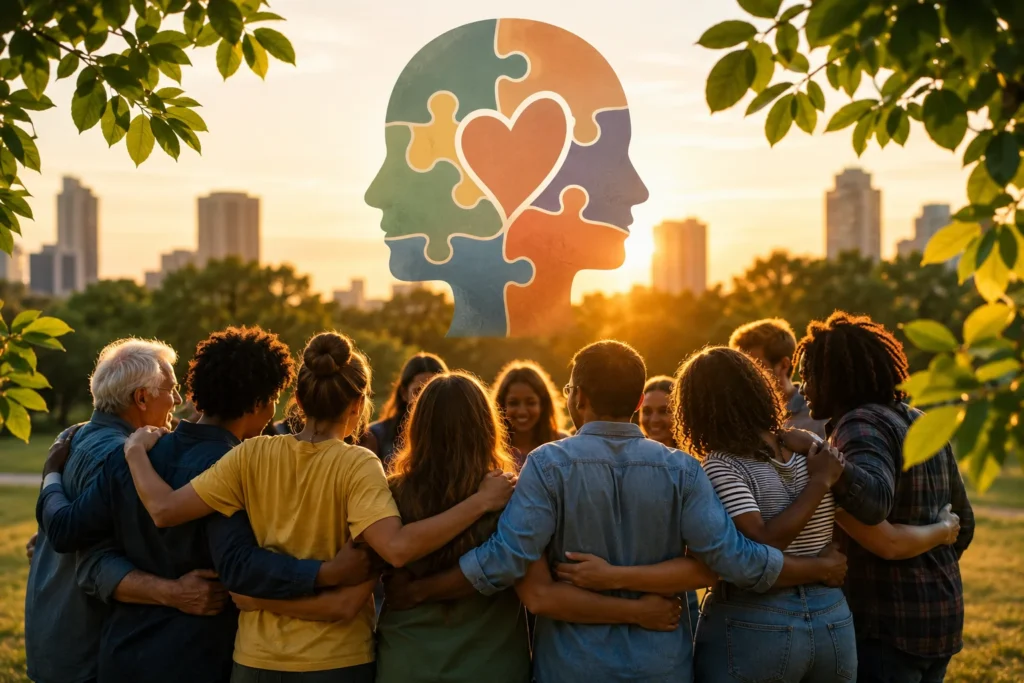
Raising mental health awareness within communities is crucial for creating supportive environments where individuals feel safe, valued, and empowered to seek help when needed.
Understanding Mental Health
Mental health influences how people think, feel, and behave in their daily lives. It affects relationships, decision-making, productivity, and the ability to cope with life’s challenges. Good mental health does not mean the absence of problems; rather, it means having the resilience and support needed to manage difficulties effectively.
Every individual, regardless of age, background, or social status, can experience mental health challenges. Recognizing this reality is the first step toward building healthier and more compassionate communities.
Why Mental Health Awareness Matters
Reduces Stigma and Misconceptions
One of the biggest barriers to mental well-being is the stigma surrounding mental health issues. Many people fear judgment, discrimination, or rejection if they speak openly about their struggles. Mental health awareness helps challenge myths and encourages understanding. When communities openly discuss mental health, individuals are more likely to seek support without fear of embarrassment.
Encourages Early Intervention
Awareness programs help people recognize the signs of mental health concerns before they become severe. Early identification and support can significantly improve outcomes and prevent conditions from worsening. Communities that prioritize mental health education empower individuals to take proactive steps toward wellness.
Strengthens Community Connections
A mentally healthy community is built on empathy, understanding, and mutual support. Awareness initiatives encourage people to look out for one another, creating stronger social connections. When individuals feel connected and supported, they are better equipped to manage stress and overcome challenges.
Improves Quality of Life
Mental health directly affects physical health, workplace performance, academic success, and personal relationships. By promoting awareness and access to resources, communities can help individuals lead happier, healthier, and more productive lives.
The Role of Communities in Supporting Mental Health
Communities play a vital role in fostering mental well-being. Schools, workplaces, local organizations, healthcare providers, and community leaders can all contribute to creating supportive environments.
Some effective ways communities can promote mental health include:
- Organizing mental health awareness campaigns and workshops.
- Providing access to counseling and support services.
- Encouraging open conversations about emotional well-being.
- Creating safe spaces where individuals can share their experiences.
- Supporting youth programs that focus on emotional resilience.
- Training community volunteers to recognize and respond to mental health concerns.
These efforts can make a meaningful difference in the lives of those who may be struggling silently.
Mental Health and Vulnerable Groups
Certain groups within communities may face increased mental health risks, including children, teenagers, older adults, caregivers, and individuals experiencing financial hardship. Mental health awareness initiatives should be inclusive and designed to address the unique needs of diverse populations.
By ensuring that support services are accessible and culturally sensitive, communities can help reduce inequalities and promote well-being for everyone.
Building a Culture of Compassion
Creating a mentally healthy community requires more than occasional awareness campaigns. It involves fostering a culture where kindness, respect, and understanding are everyday values. Small actions such as listening without judgment, offering support to someone in need, and promoting positive social interactions can have a lasting impact.
When people feel heard and supported, they are more likely to develop resilience and maintain positive mental health.
Conclusion
Mental health awareness is not just a healthcare issue—it is a community responsibility. By educating people, reducing stigma, encouraging early intervention, and promoting supportive environments, communities can improve the well-being of all their members. Every conversation, awareness program, and act of compassion contributes to a stronger, healthier, and more connected society.
Investing in mental health awareness today helps create communities where individuals can thrive, support one another, and build a brighter future together.
Read More: Why Community Welfare Matters More Than Ever in Today’s World
Pingback: Why Regular Health Checkups Are Essential for Families
Pingback: Why Community Welfare Matters More Than Ever Today